
Dall: Create art with AI
Open in the Dall app
AI vs the Wordsmith: The Future of Content Creation

AI is reshaping the writing world. As machines learn to craft words, can human writers still compete? The future of storytelling is at stake.
In today's digital age, the realm of content creation has seen a paradigm shift with the emergence of Artificial Intelligence (AI) as a formidable competitor to the traditional wordsmith. As AI technology continues to advance at a rapid pace, the debate surrounding AI versus the human touch in content creation has gained momentum.
This article delves into the nuances of this ongoing battle, exploring the strengths and weaknesses of AI and human writers, and predicting the future landscape of content creation in a world increasingly influenced by AI technology.
Understanding the Players:
AI, powered by machine learning algorithms and natural language processing, has the ability to generate vast amounts of content with impressive speed and efficiency. AI content generators can produce anything from news articles and product descriptions to marketing copy and creative writing.
These systems are trained on massive datasets, enabling them to mimic human writing styles and adapt to different tones and topics.
In contrast, human writers bring a unique blend of creativity, critical thinking, and emotional intelligence to their craft. They can infuse their work with personal experiences, cultural nuances, and subtle nuances that AI may struggle to replicate.
The Battleground:
The battleground between AI and the wordsmith revolves around several key factors. AI excels in tasks that require high volume and repetitive content generation, such as data-driven reporting and SEO optimization.
On the other hand, human writers shine in areas that demand creativity, originality, and a deep understanding of human emotions and experiences. While AI can produce content at scale, it may lack the emotional depth and authenticity that human writers bring to their work.
Additionally, AI-generated content runs the risk of sounding robotic or formulaic, whereas human-written content possesses a unique voice and personality that resonates with readers on a personal level.

The Future Landscape
As AI technology continues to evolve, the future of content creation is likely to be shaped by a harmonious blend of AI and human creativity. AI can assist writers by automating routine tasks, such as data analysis and content optimization, allowing them to focus on higher-level tasks that require human ingenuity.
AI-powered tools like grammar checkers, sentiment analysis, and content recommendations can enhance the writing process and help writers deliver high-quality content more efficiently.
However, human writers will remain indispensable for crafting compelling narratives, engaging storytelling, and building authentic connections with audiences.
Conclusion:
In the ever-evolving landscape of content creation, the debate between AI and the wordsmith is not about competition but collaboration. AI and human writers each bring unique strengths to the table, and by working together, they can unlock new possibilities and push the boundaries of creativity.
The future of content creation lies in harnessing the power of AI to augment human creativity, enabling us to produce content that is not only informative and engaging but also emotionally resonant and culturally relevant.
As we navigate this dynamic landscape, one thing is clear: the future belongs to those who can harness the best of both worlds – the precision of AI and the artistry of the wordsmith.
FAQs:
1. Will AI completely replace human writers?
While AI is rapidly advancing, it is unlikely to completely replace human writers. AI excels at tasks like data analysis, pattern recognition, and generating basic content, but it lacks the creativity, empathy, and critical thinking skills that humans bring to writing. The future likely involves a collaboration between humans and AI, where AI assists writers in tasks like research and editing, allowing them to focus on higher-level creative work.
2. What types of content are best suited for AI generation?
AI is particularly effective at generating content that requires data analysis, summarization, or repetitive formats. For example, product descriptions, news summaries, and social media posts can be efficiently created using AI tools. However, for content that demands deep understanding, creativity, or emotional connection, human writers still have a significant advantage.
3. How can writers adapt to the rise of AI?
To thrive in the age of AI, writers should focus on developing skills that complement AI capabilities. This includes honing creative thinking, storytelling abilities, and strategic content planning. Additionally, learning how to effectively use AI tools can enhance productivity and efficiency.
4. What are the ethical concerns surrounding AI-generated content?
The use of AI in content creation raises ethical questions, such as the potential for misinformation, plagiarism, and job displacement. It is crucial to use AI responsibly and transparently, ensuring that content is accurate, original, and properly attributed.
5. How will AI impact the future of content marketing?
AI has the potential to revolutionize content marketing by enabling more personalized, targeted, and effective campaigns. By analyzing vast amounts of data, AI can identify audience preferences, optimize content performance, and predict trends. However, human creativity and strategic thinking will remain essential for developing compelling content that resonates with audiences.

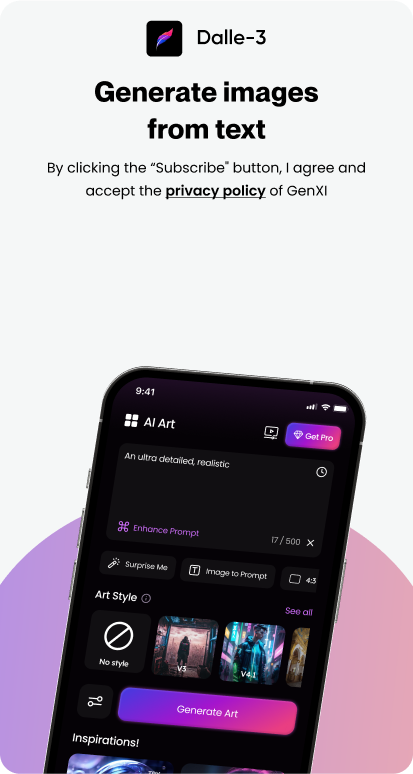
Create Stunning AI Images For Free
Type your text and GenXi will create images in seconds. no design skills needed! try it now!!

Free AI Image & Art Creation at Your Fingertips with Dall
Download Dall Now and Start Creating Stunning Visuals in Seconds—No Art Skills Required!






Follow Us:


Related Posts
▪ Mar 26, 2026
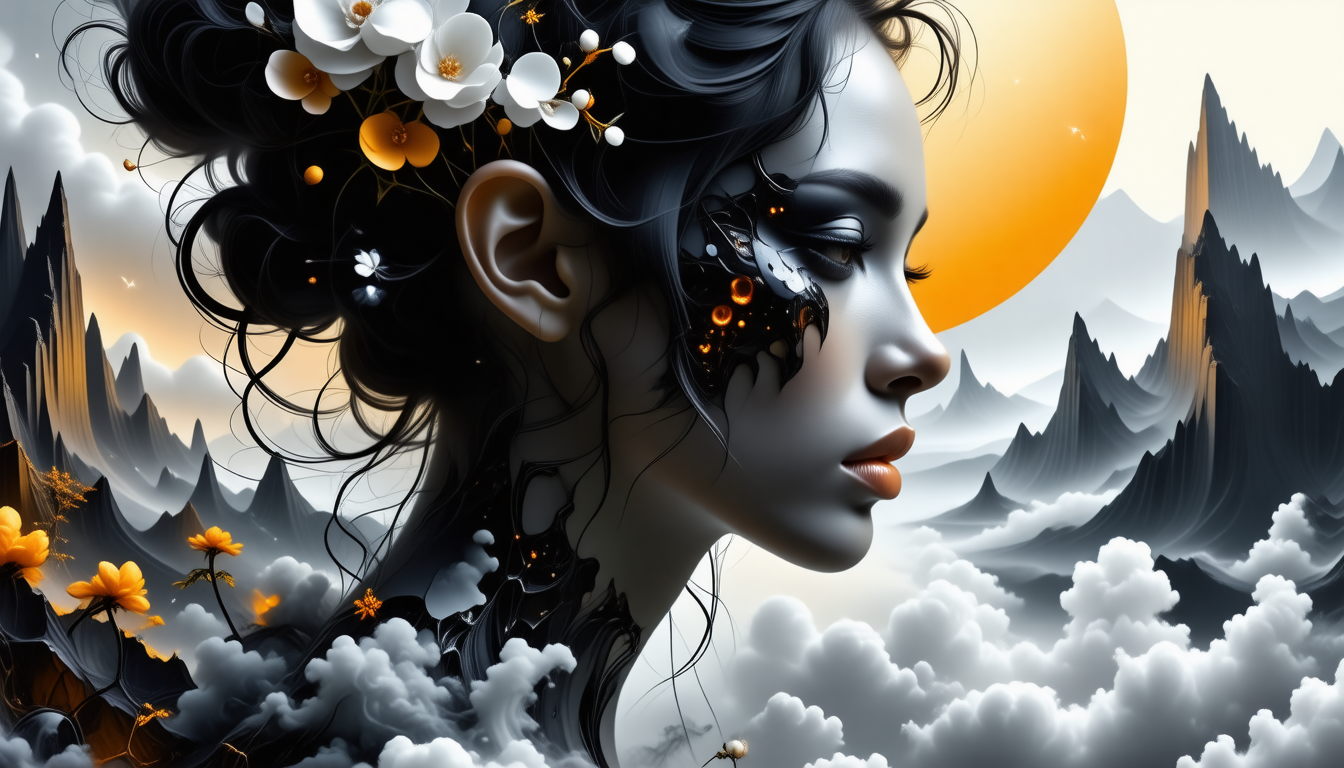
Creative AI in Art and Design: Tools Shaping Visual Innovation
Discover how AI is transforming art and design with cutting edge tools that elevate creativity and streamline workflows ...
▪ Mar 26, 2026
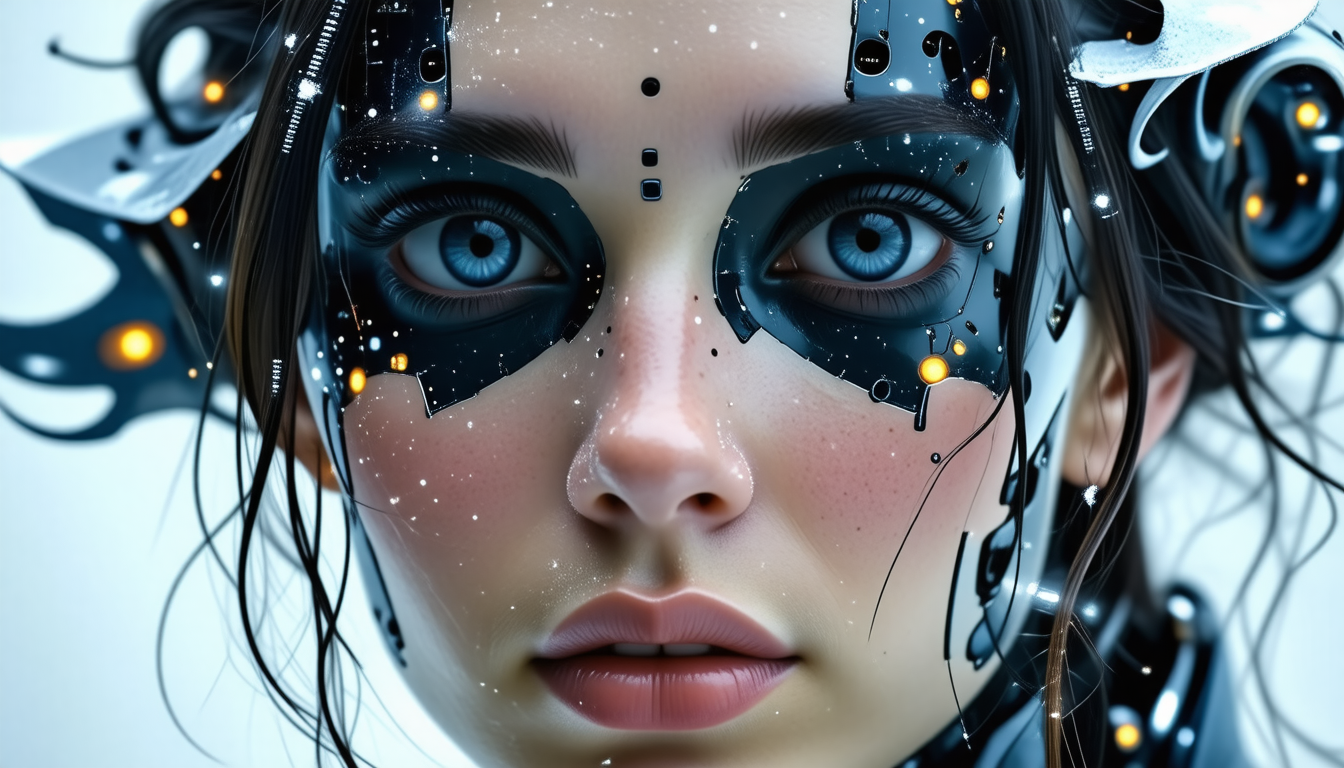
Transforming Creativity With AI Art and Design Innovations
Discover how AI art and design are reshaping creative boundaries, blending human imagination with cutting-edge technolog...

▪ Mar 25, 2026
Transforming Healthcare Documentation with Intelligent Document Processing
Intelligent document processing streamlines healthcare documentation by automating data extraction and enhancing accurac...
Discover the latest in AI innovation, creativity with GenXi's Newsletter
