
Dall: Create art with AI
Open in the Dall app
Artificial Intelligence vs Human Creativity: Exploring the Intersection of AI and Artistry
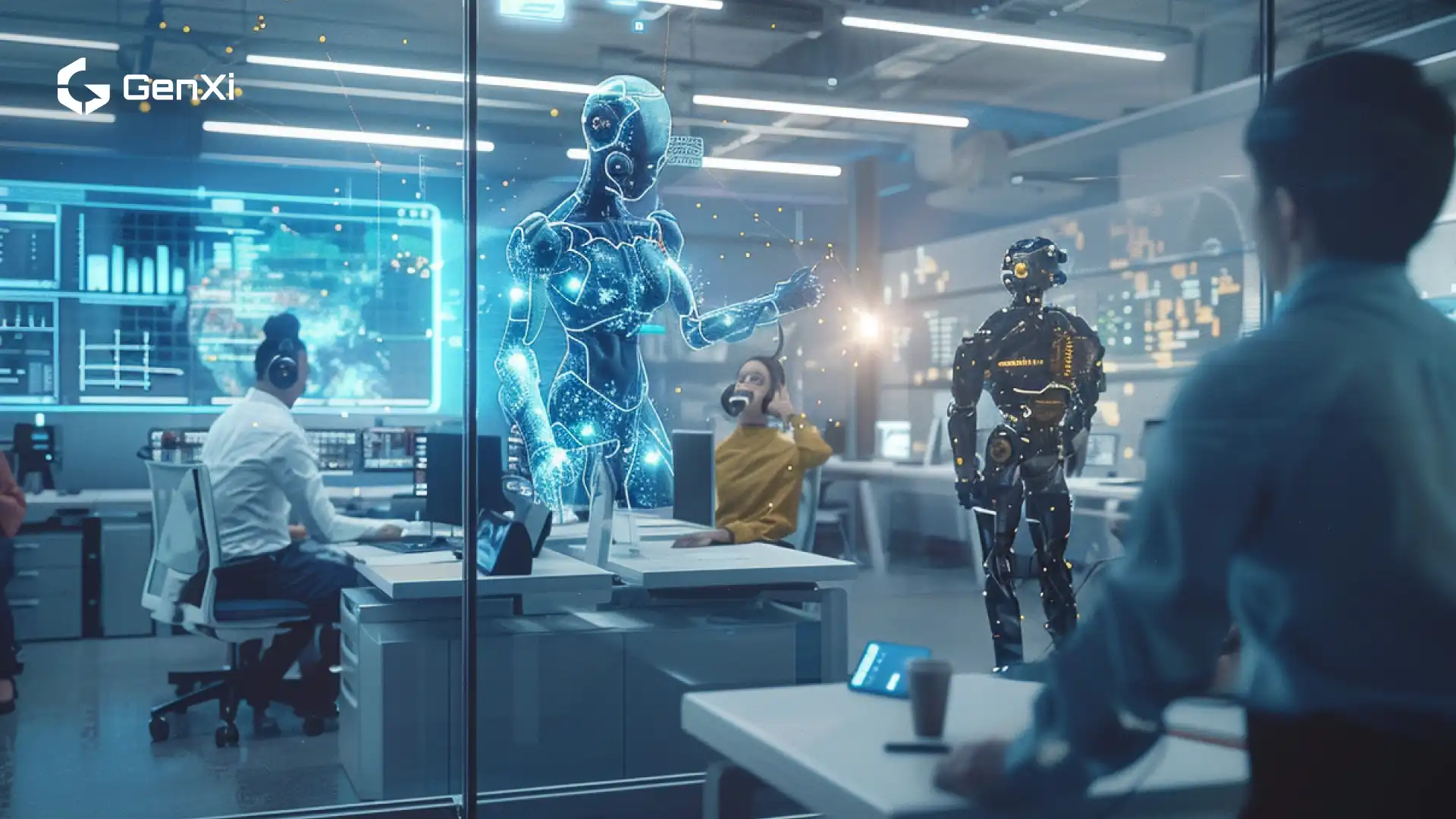
AI has transformed art, music, literature, and design, but the debate continues: Can AI truly match the depth and complexity of human creativity?
“The development of full artificial intelligence could spell the end of the human race….it would take off on its own, and re-design itself at an ever-increasing rate. humans, who are limited by slow biological evolution, couldn’t compete, and would be superseded.”— Stephen Hawking
Can AI Meet the Needs of Creative Fields Better than Humans?
One of the key strengths of AI in creative tasks lies in its ability to process vast amounts of data and rapidly generate outputs based on patterns and algorithms. AI systems can churn out thousands of iterations of a given task in a fraction of the time it takes a human artist to do so.
This efficiency is particularly evident in fields like graphic design, where AI tools can quickly generate variations of a logo or layout based on user input.
However, where AI often falls short is in its lack of originality and emotional depth. While AI can mimic artistic styles or compose music in the vein of a specific genre, it may struggle to create truly groundbreaking or innovative works that resonate on a deeper emotional level.
On the other hand, Human creativity is fuelled by emotions, experiences, and individual perspectives, resulting in works that are imbued with authenticity and personal meaning.
What are the Impacts on the Artistic Process?
AI tools are reshaping artistic processes and offering new avenues for creative exploration. Artists, designers, writers, and musicians are increasingly incorporating AI into their workflows, using machine learning algorithms to generate ideas, prototype designs, and enhance the final production of their works.
Ethical and Philosophical Considerations
As AI becomes more integrated into the creative process, ethical and philosophical questions arise. Who owns the rights to AI-generated artworks? Can AI truly be considered an artist in its own right, or is it simply a tool for human creators? How does the role of human intent factor into the creation of AI-generated art?
Is Collaboration Between These Two Entities Achievable?
In response to these challenges, some artists are embracing collaboration and hybrid creativity, forming partnerships with AI systems to co-create artworks that blend human intuition with machine intelligence.
These Collaborations have led to innovative projects that push the boundaries of traditional artistic practices and challenge our perceptions of creativity and authorship.
What Impact will it have in the Future?
The Future of AI in the arts holds exciting possibilities and potential pitfalls. Advances in AI technology, such as the development of AI systems that can understand and respond to human emotions, could revolutionize how we interact with AI-generated art.
However, concerns about algorithmic bias, data privacy, and the dehumanization of creativity loom large, underscoring the need for ethical considerations and regulatory frameworks in the AI art space.
Conclusion
In conclusion, the intersection of AI and human creativity is a complex and evolving landscape that promises to reshape the way we think about art, technology, and the nature of creativity itself.
By exploring the strengths and limitations of AI, examining its impact on artistic processes, addressing ethical dilemmas, highlighting collaborative efforts, and predicting future trends, we can gain a deeper understanding of the transformative potential of AI in the arts and its implications for society as a whole.

Create Stunning AI Images For Free
Type your text and GenXi will create images in seconds. no design skills needed! try it now!!

Free AI Image & Art Creation at Your Fingertips with Dall
Download Dall Now and Start Creating Stunning Visuals in Seconds—No Art Skills Required!



Follow Us:


Related Posts
▪ Mar 26, 2026
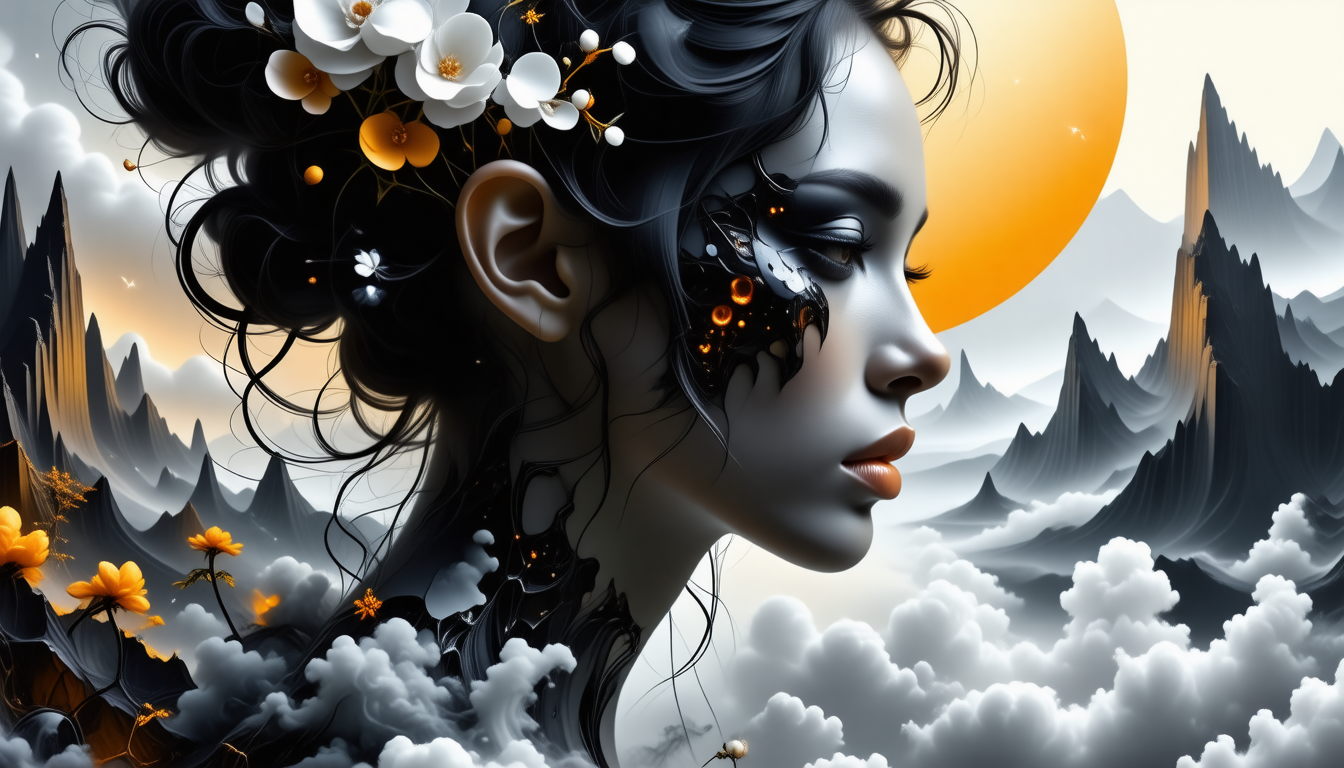
Creative AI in Art and Design: Tools Shaping Visual Innovation
Discover how AI is transforming art and design with cutting edge tools that elevate creativity and streamline workflows ...
▪ Mar 26, 2026
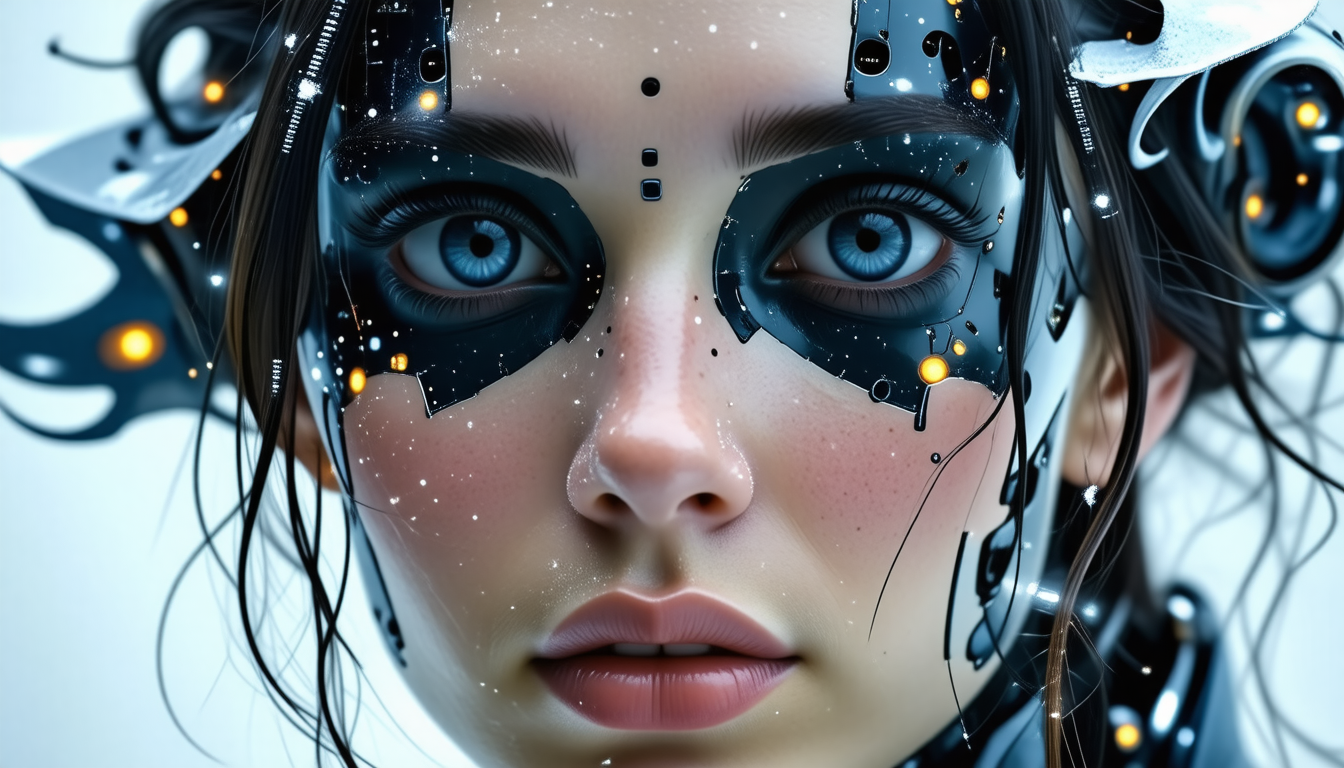
Transforming Creativity With AI Art and Design Innovations
Discover how AI art and design are reshaping creative boundaries, blending human imagination with cutting-edge technolog...

▪ Mar 25, 2026
Transforming Healthcare Documentation with Intelligent Document Processing
Intelligent document processing streamlines healthcare documentation by automating data extraction and enhancing accurac...
Discover the latest in AI innovation, creativity with GenXi's Newsletter
